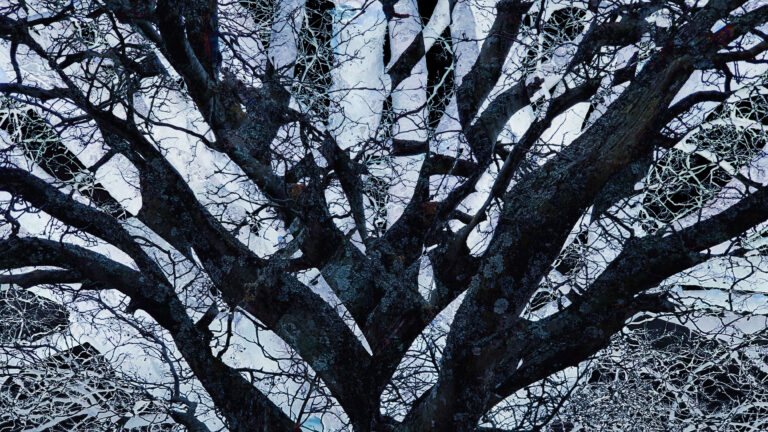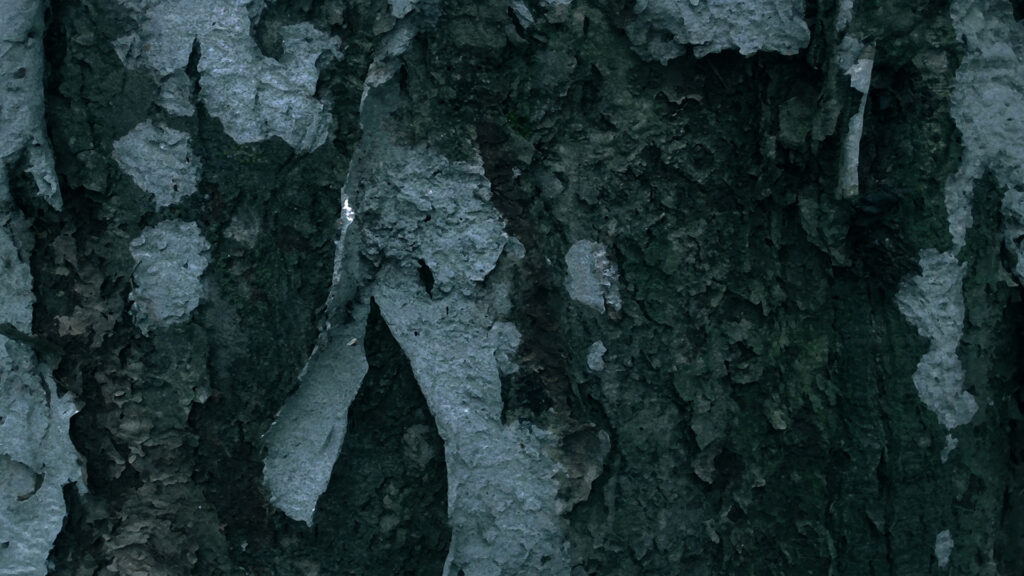
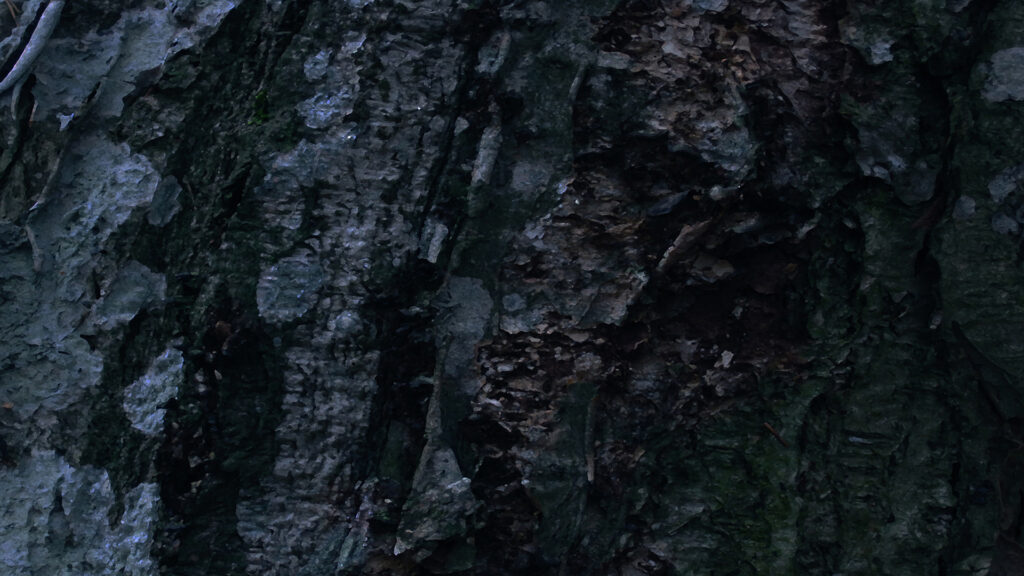
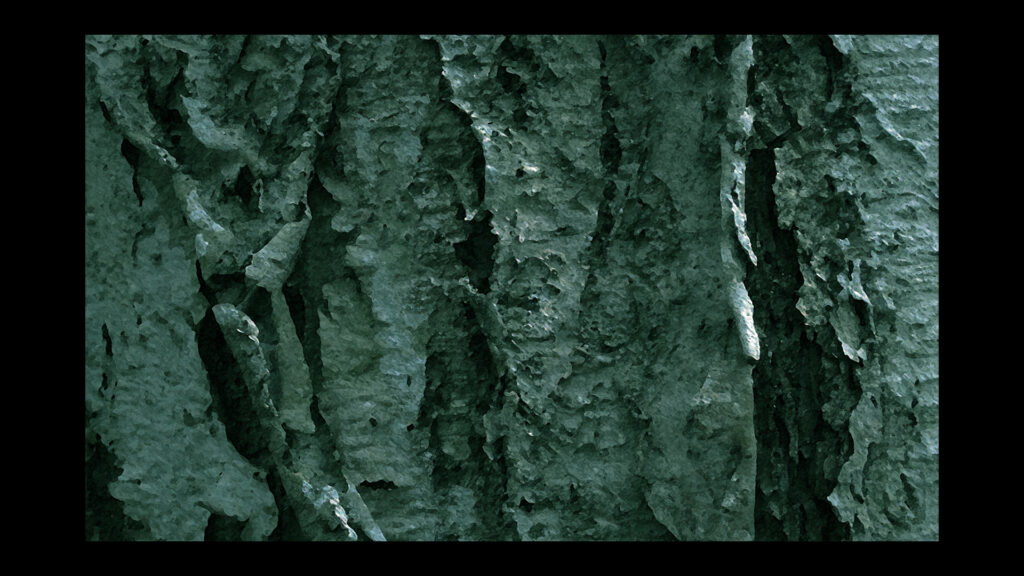
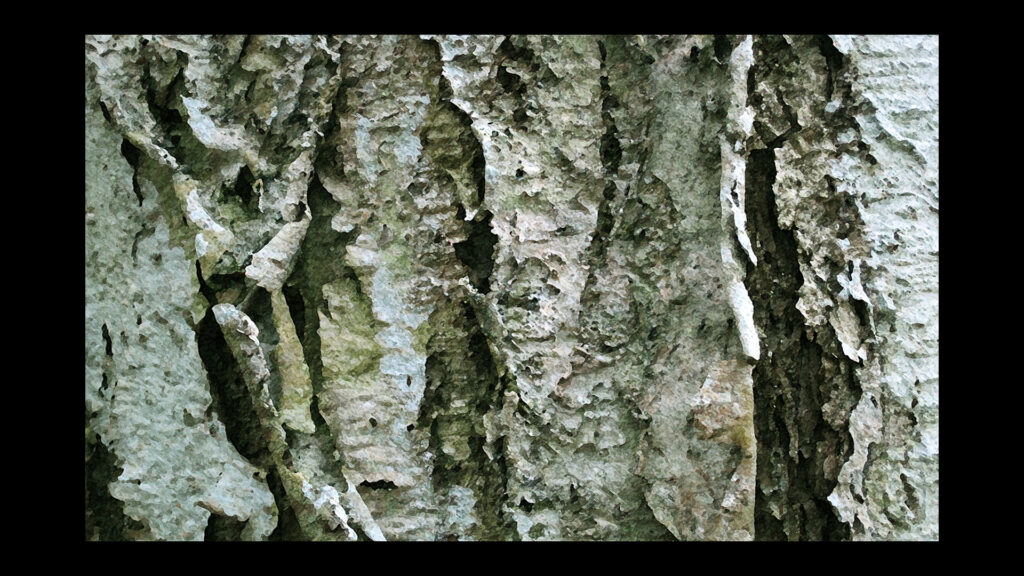
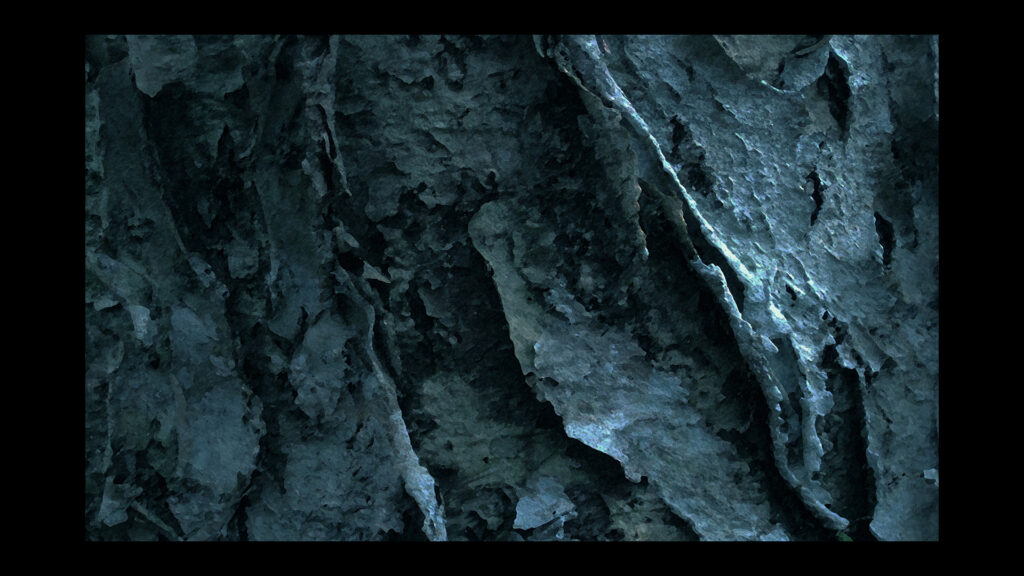
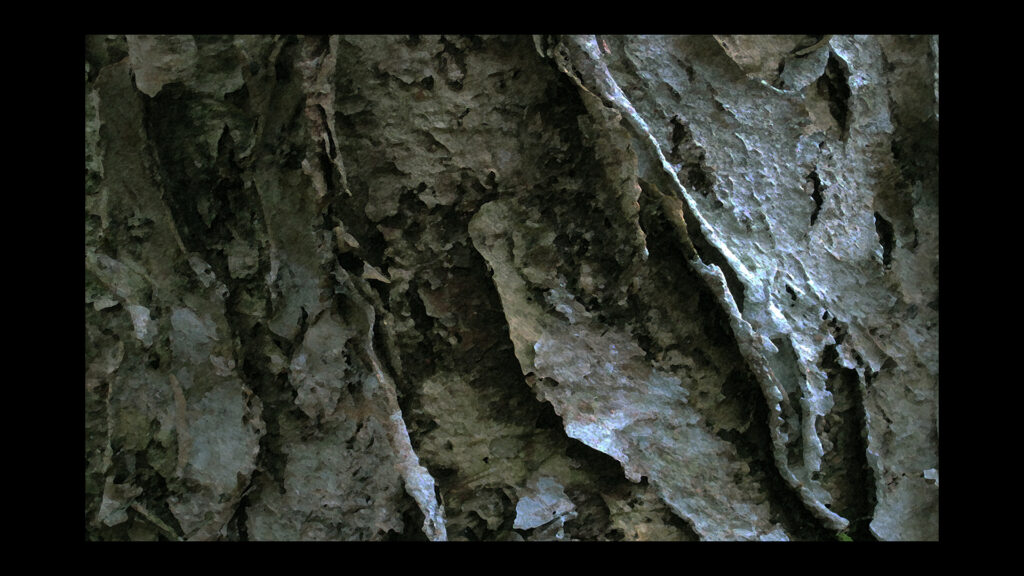
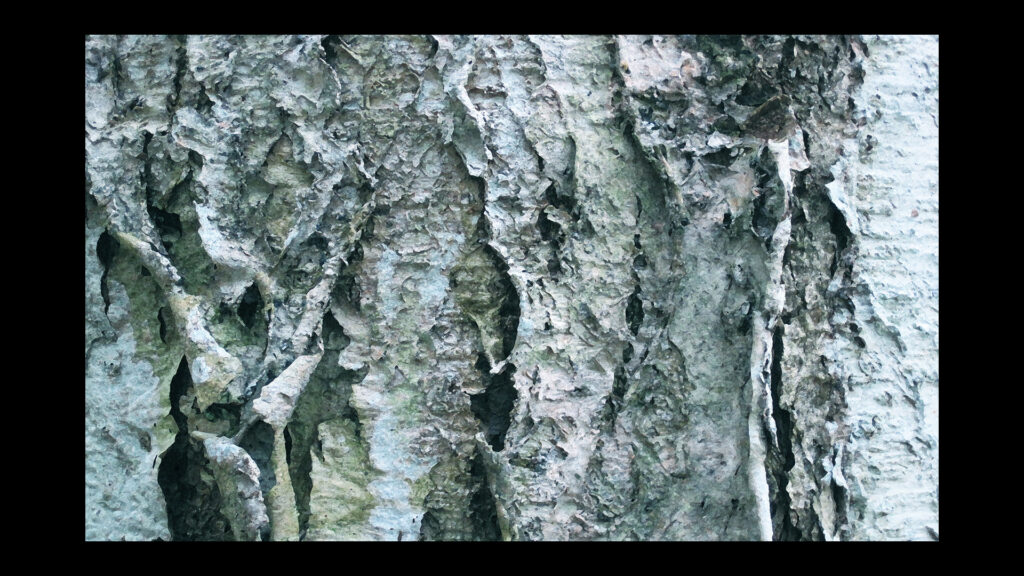
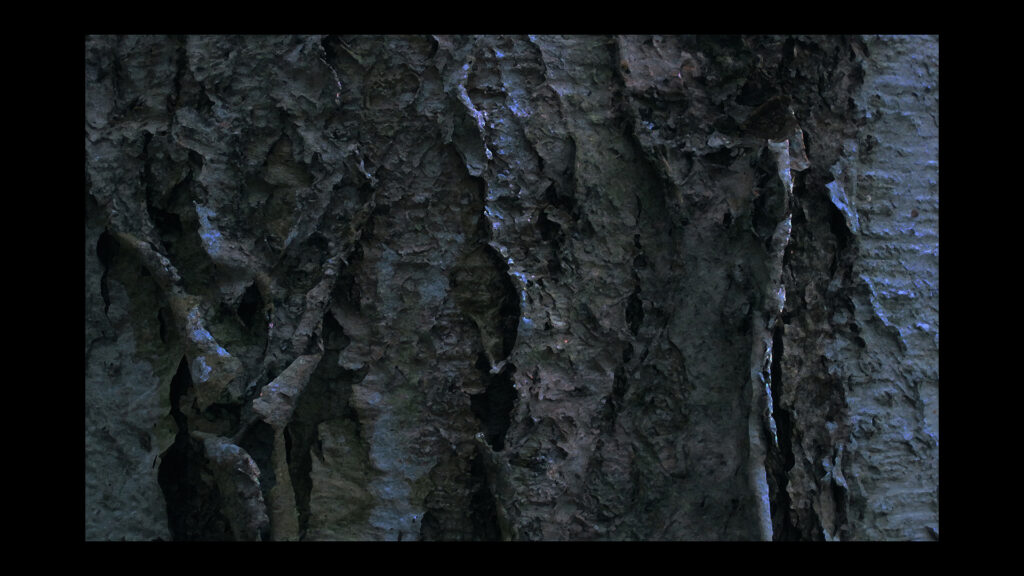
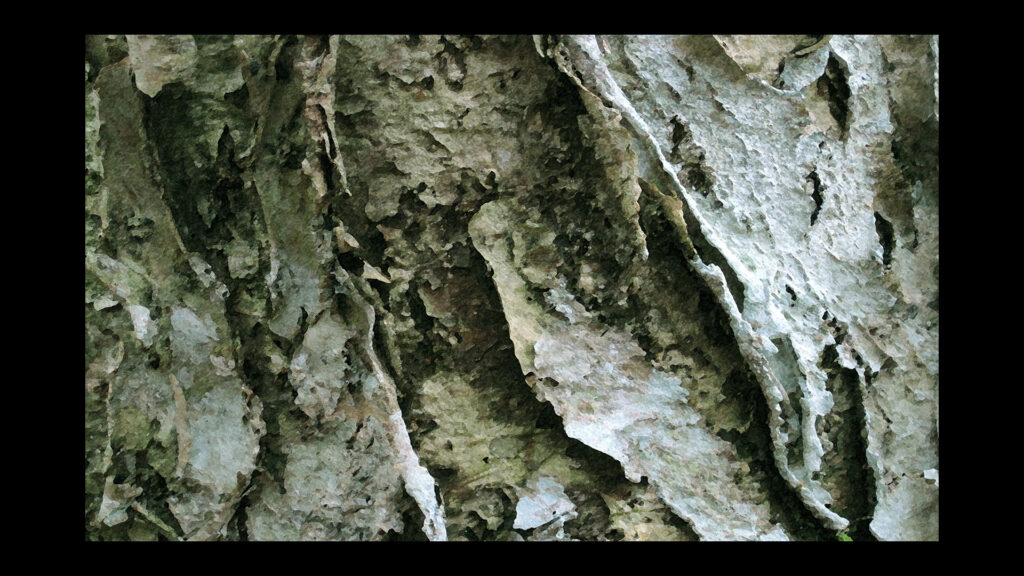
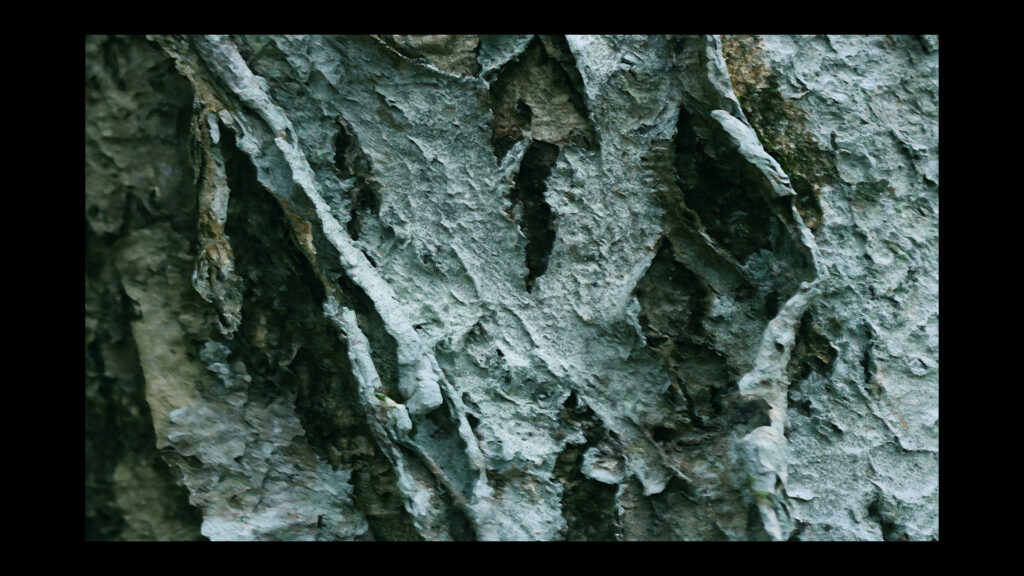
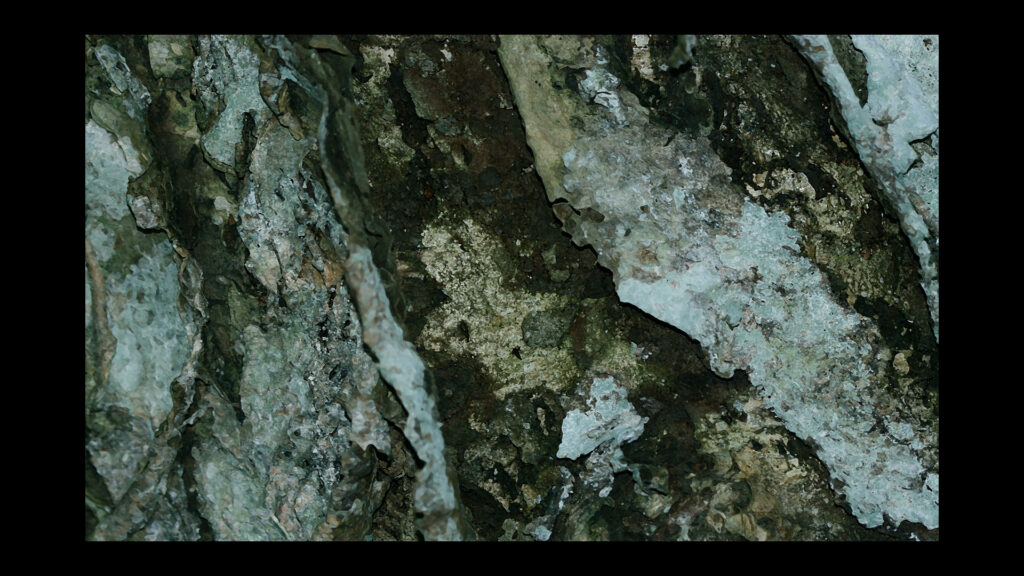
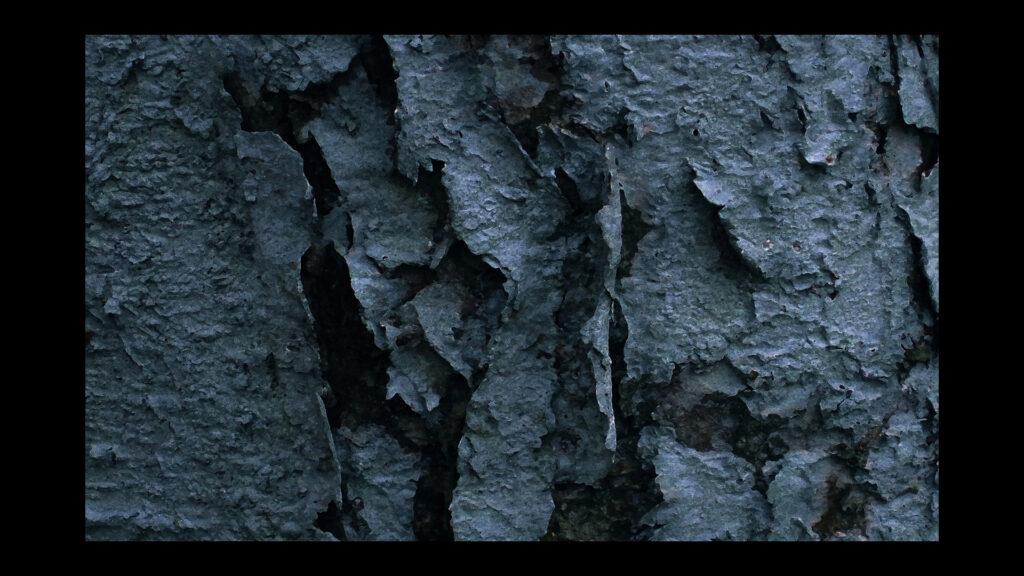
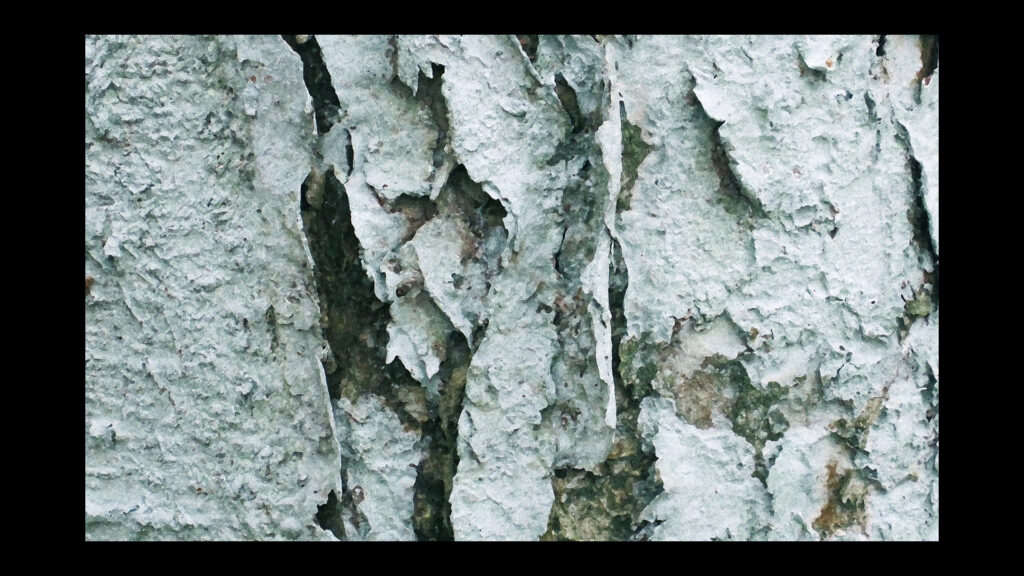
Exh. Concept: Finnish Forest / People of the Forest
When Finland was first settled, the arriving people encountered above all the forest. Along the southern coast, birch, rowan and aspen created bright groves, beyond which the land deepened into mixed forest: pines and junipers rising among broadleaf trees, and later the darker, solemn presence of spruce. This was a land ruled by forests, and their rhythm shaped human life.
The early inhabitants were hunters who read the wind and the tracks, listening to the slow turning of the seasons. Skill alone was never enough; hunting luck—believed to be the gift of Tapio, the god of the forest—was essential. The forest was not a backdrop but a living presence, opening or withholding according to its own will.
From this grew the ancient Finnish relationship with nature: a worldview in which trees were seen as old beings carrying the depth of time in their roots, and cliffs as thresholds between worlds. Every bog, path and lake had its own guardian spirit. The forest was approached with respect, as a realm in which a human was only a temporary traveller.
This connection shaped our culture profoundly. The forest became shelter and mystery, sustenance and shadow, both near and unreachable. The quiet language of trees and the movement of their shifting light have accompanied Finns for thousands of years.
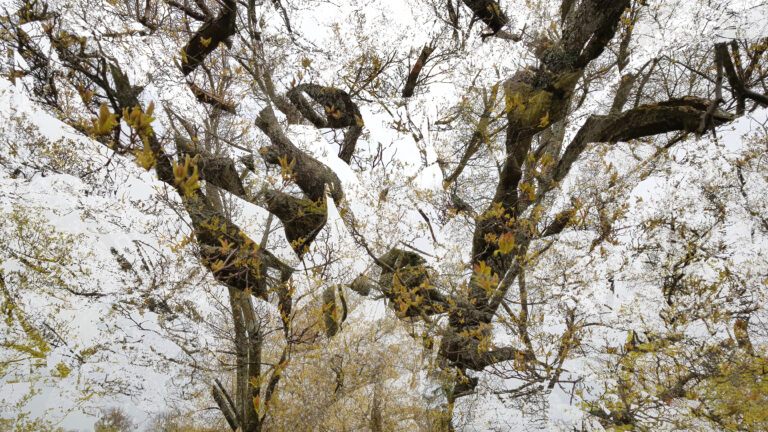
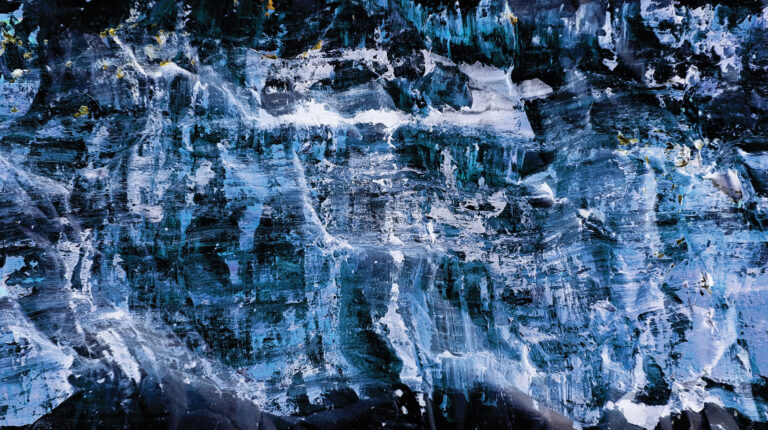
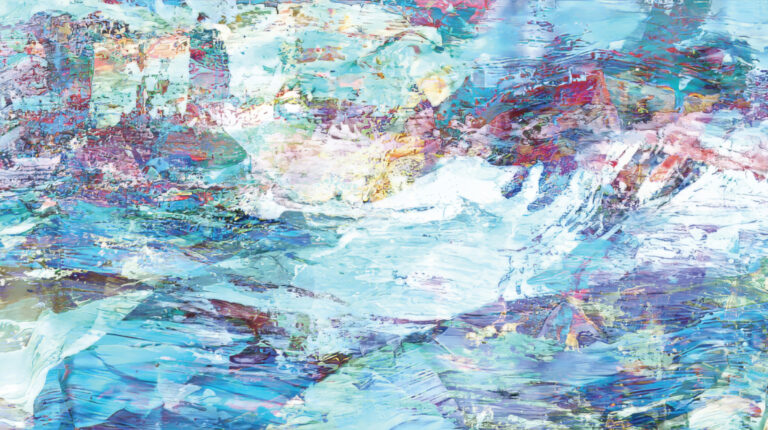
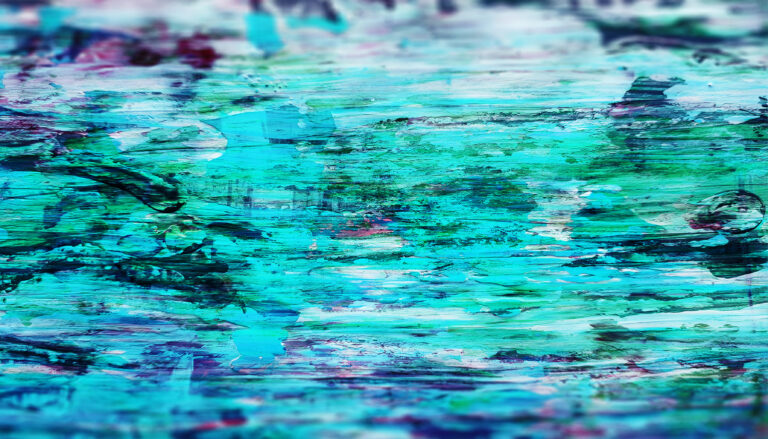
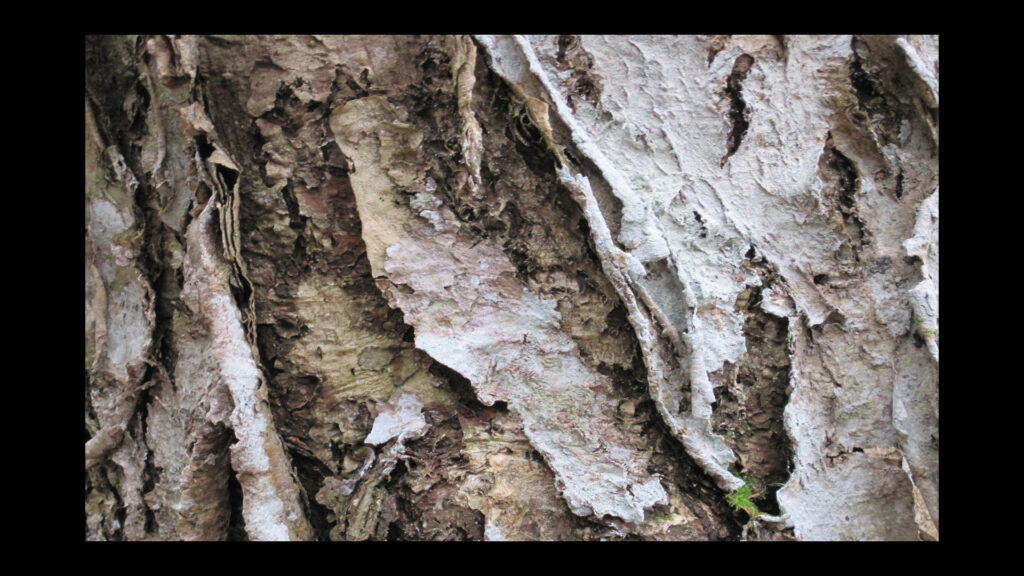
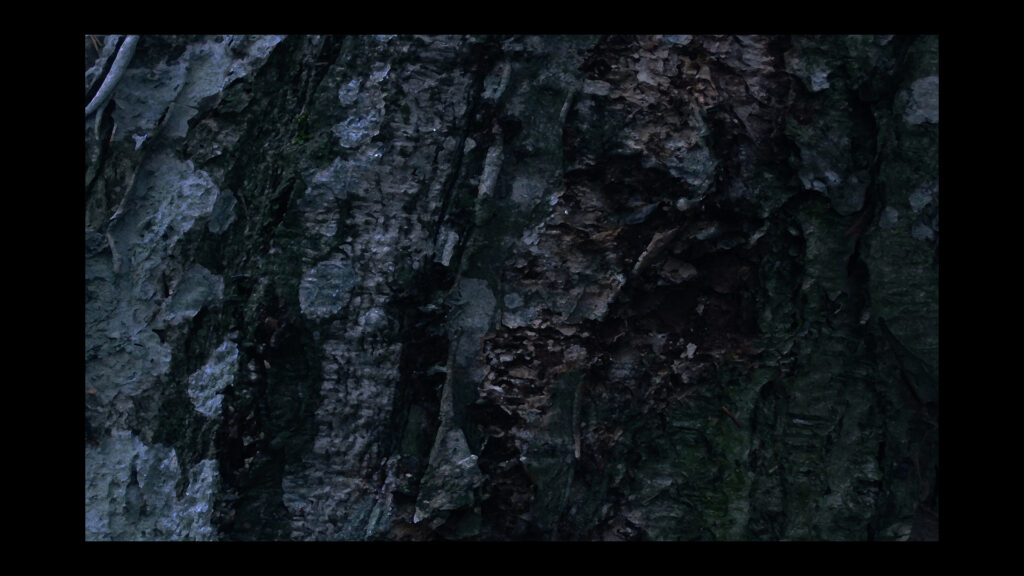
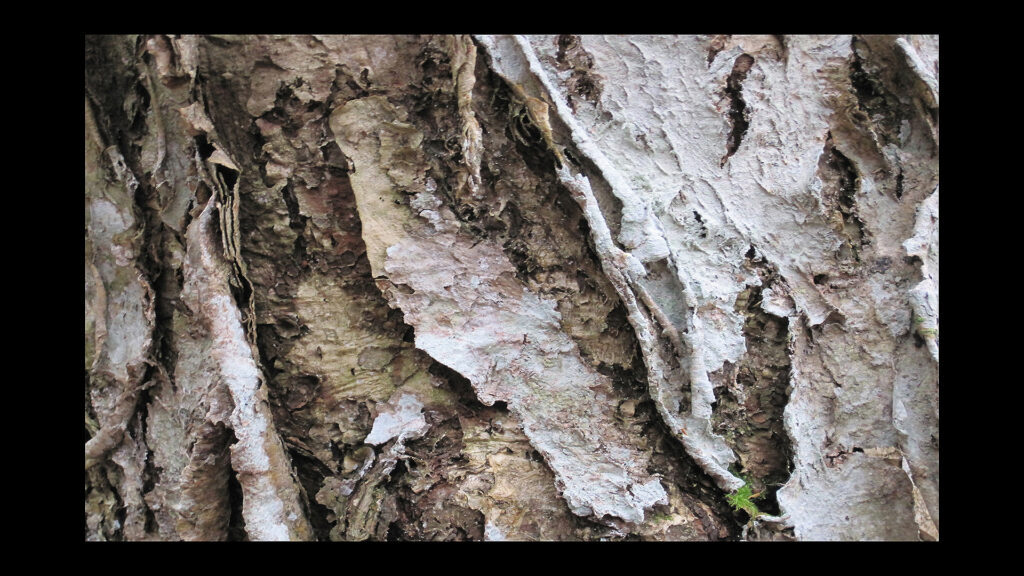
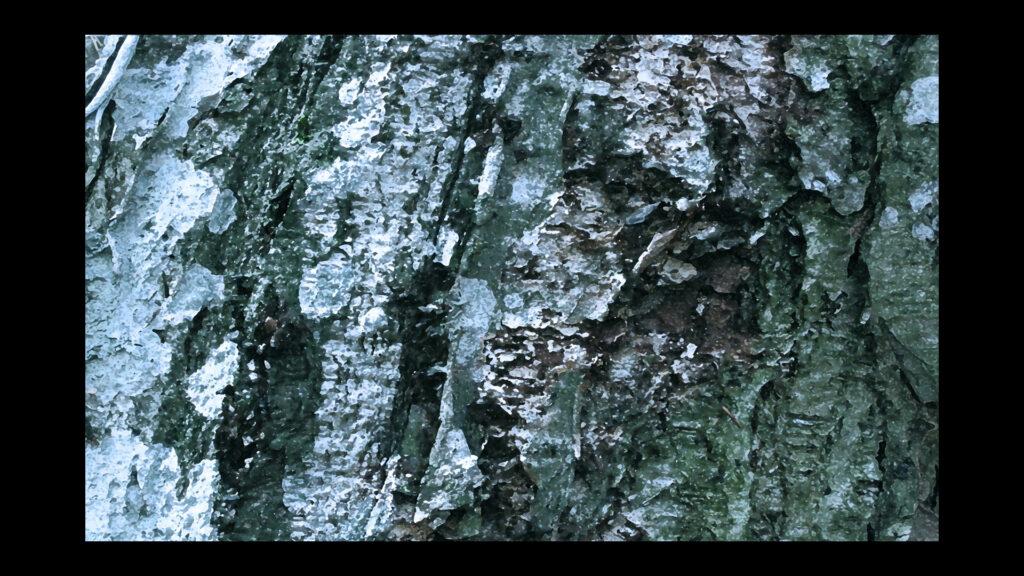
The immaterial artwork series Finnish Forest / People of the Forest leads the viewer into the world of the trees and illuminates the deeply rooted Finnish reverence for nature.